Beyond the Tea Cup: Discover the Hidden Diversity of Kenya’s Agricultural Exports
Think of Kenyan tea, and you may picture a steaming cup or the green highlands where tea leaves are grown. But what if Kenya’s agricultural story is much bigger than tea?
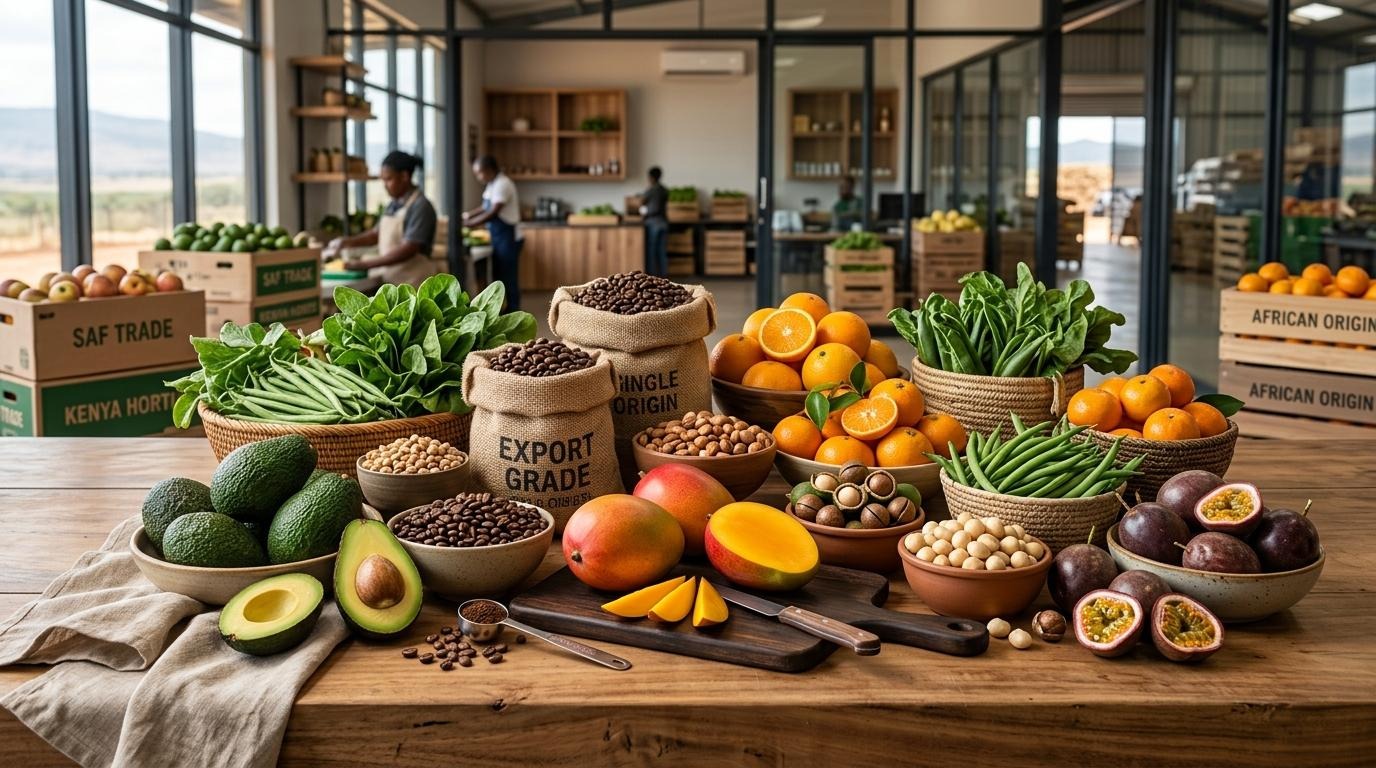
From aromatic coffee and nutrient-rich macadamia nuts to colourful horticultural produce, distinctive spices and a growing range of value-added products, Kenya has a diverse agricultural offering with opportunities across international markets.
For global buyers, importers, distributors and food businesses, this diversity presents an important question: What other products can Kenya offer, and how can the right sourcing relationships help bring them to market?
At Agrico Sourcing Partners Ltd, we believe that understanding Kenya’s agricultural potential starts with looking beyond its best-known exports.
1. Kenya’s Agricultural Story Goes Beyond Tea
Tea has earned Kenya international recognition, but it is only one part of the country's agricultural identity.
Kenya’s varied growing regions, agricultural communities and established commodity sectors support a broad range of products for local consumption, processing and export. These include coffee, macadamia and other nuts, flowers, fruits, vegetables, spices and selected industrial crops.
Each product has its own production requirements, quality characteristics, market opportunities and supply-chain considerations.
For an international buyer, this means Kenya should not be viewed simply as a destination for one commodity. It can also be explored as a source of different agricultural products, depending on the buyer’s specifications, target market and supply needs.
The opportunity is not that every product is available in every quantity or at every time of year. Rather, it is that Kenya offers a diverse agricultural base worth exploring through informed sourcing and reliable supply relationships.
2. Beyond the Tea Leaves: Other Kenyan Products Worth Discovering
Kenya’s agricultural diversity becomes more apparent when we look at the opportunities across different product categories.
Coffee: A Recognised Origin with Room for Value Addition
Kenyan coffee is valued in international markets for its distinctive characteristics and established origin reputation. It connects local producers with roasters, traders, processors and other buyers around the world.
Beyond green coffee beans, there are opportunities to explore processing, roasting, packaging and other forms of value addition, depending on market demand and the capabilities of the supply chain.
For buyers, the important considerations include bean grade, screen size, moisture content, cup profile, available volumes, traceability and the intended use of the coffee.
Understanding these requirements helps connect the right product with the right buyer.
Macadamia and Other Nuts: Opportunities Beyond Traditional Crops
Kenya’s nuts and oil crops sector offers another area of interest, particularly for buyers seeking macadamia nuts and selected other products.
Macadamia can serve food manufacturers, ingredient suppliers, snack brands and distributors. Depending on the buyer’s needs and available processing capacity, requirements may include nuts in shell, kernels, different grades or specific packaging formats.
Other products within the broader nuts and oil crops category include cashew nuts, sesame and selected oilseed products.
As with any agricultural commodity, buyers need to consider product quality, processing specifications, food safety, traceability and the applicable export regulations. Availability and permissible export forms should always be confirmed for the specific product.
Horticulture: Colour, Freshness and Market Diversity
Kenya’s horticultural sector includes flowers, fruits and vegetables that serve a variety of international markets.
Flowers supply the floriculture trade, while fruits and vegetables serve fresh-produce importers, retailers, wholesalers, food-service businesses and processors.
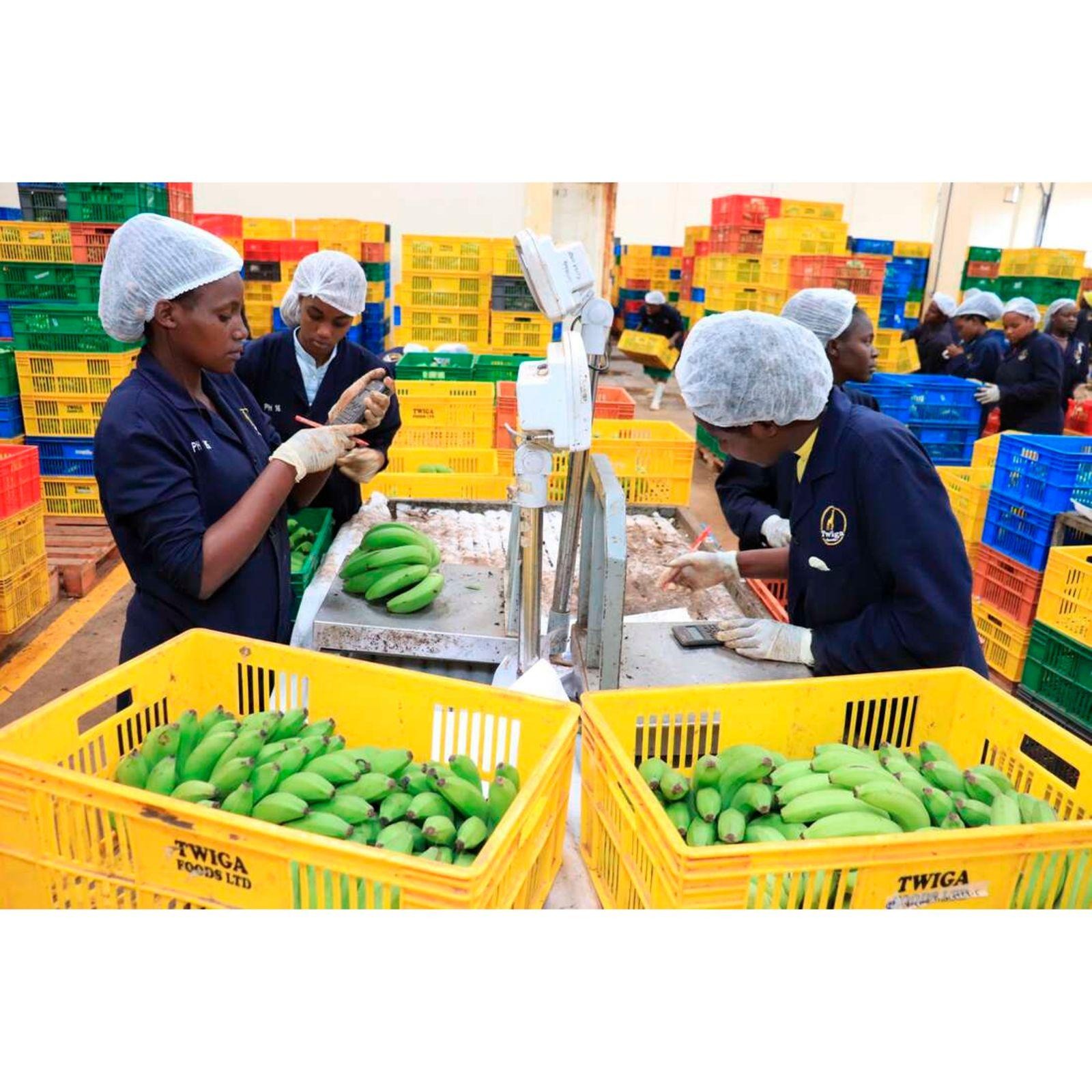
Horticultural sourcing requires particular attention to freshness, grading, harvesting practices, packaging, shelf life, temperature management and transport arrangements.
Because many horticultural products are perishable, timing and coordination are especially important. A suitable product must be matched with a buyer whose specifications, delivery schedule and handling arrangements can be met.
Spices and Specialty Agricultural Products: Exploring New Possibilities
Spices and selected specialty agricultural products offer additional opportunities for buyers looking to diversify their sourcing.
Depending on the product and available supply, these opportunities may include dried spices, herbs, ingredients for food processing and products intended for blending or value-added applications.
Buyers may require specific information on origin, variety, cleanliness, moisture levels, processing, packaging, testing and food safety.
For these products, the opportunity lies not simply in identifying a supplier, but in confirming that the product meets the intended commercial and technical requirements.
Value-Added Products: More Than Raw Commodities
Agricultural value addition can create opportunities to serve buyers with more specialised needs.
Depending on the product and available processing capabilities, this may include tea blending and packaging, roasted coffee, processed nuts, dried produce, spice blends and other finished or semi-processed products.
Value addition can help differentiate products, meet specific buyer preferences and support the development of stronger market relationships.
However, the right approach depends on demand, processing capacity, applicable standards, costs and the commercial viability of the product.
3. What Makes Kenya’s Agricultural Diversity Valuable to Buyers?
A diverse agricultural base creates possibilities, but diversity alone does not guarantee a successful transaction.
International buyers need more than a long list of products. They need to know which products are available, whether they meet the required specifications, how consistently they can be supplied and whether the relevant export requirements can be fulfilled.
Kenya’s established agricultural sectors and international trade connections provide a foundation for exploring these opportunities. The Agriculture and Food Authority (AFA), for example, oversees and promotes several scheduled crop value chains, including coffee, horticulture, nuts and oil crops, and industrial crops.
For buyers, the practical value of this diversity lies in being able to investigate different sourcing options while assessing each product on its own merits.
A buyer seeking macadamia kernels has different requirements from a buyer seeking fresh vegetables or bulk tea. Each requires a suitable source, clear specifications and an appropriate supply-chain arrangement.
The real advantage is not diversity alone. It is the ability to identify the right product, from the right source, for the right market.
4. From Agricultural Potential to a Market-Ready Product
An agricultural product may have excellent potential, but international trade requires careful preparation.
Before a transaction proceeds, several questions need to be addressed:
Product specifications: Does the product meet the buyer’s grade, size, moisture, quality or other technical requirements?
Supply availability: Can the required volume be supplied within the expected timeframe?
Quality assurance: Are appropriate inspection, testing and quality-control procedures available?
Food safety and compliance: Does the product meet the relevant requirements of the destination market?
Packaging and labelling: Are the required packaging format, language, markings and declarations understood?
Documentation: Are the applicable export, phytosanitary, origin and other documents identified?
Logistics: Can the product be transported and handled appropriately, particularly where freshness or temperature control is important?
Commercial terms: Are the price, payment terms, delivery arrangements and responsibilities clearly agreed?
Not every requirement applies to every commodity. Requirements depend on the product, destination country, buyer specifications and agreed terms.
Addressing these considerations early helps reduce misunderstandings and allows buyers and suppliers to assess whether an opportunity is commercially and operationally viable.
5. Why the Right Sourcing Connections Matter
A buyer may know the product they want but lack direct knowledge of suitable suppliers in Kenya. A producer, on the other hand, may have a promising product but need access to buyers whose requirements match the available supply.
Bringing these parties together requires communication, market understanding and coordination.
The process may involve identifying potential sources, confirming product availability, communicating specifications, obtaining relevant product information and coordinating with processors, packers, exporters or logistics providers where needed.
The aim is to help both sides establish a clear understanding of the opportunity before moving towards a commercial arrangement.
This is especially important when dealing with several agricultural categories. Each product has its own sourcing considerations, and a reliable connection must be based on actual supply capability rather than assumptions.
6. Where Agrico Sourcing Partners Fits In
At Agrico Sourcing Partners Ltd, we see Kenya’s agricultural diversity as an opportunity to connect suitable products and reliable sources with international market demand.
We position ourselves as a sourcing and market-connection partner, helping buyers and supply-side participants explore opportunities and work towards clear, commercially appropriate arrangements.
Our approach focuses on understanding what the buyer needs, identifying potentially suitable sources, facilitating communication, supporting clarity around quality expectations and coordinating with relevant supply-chain partners where required.
Our agricultural interests extend beyond tea to selected products such as coffee, macadamia and other nuts, spices and additional commodities where suitable demand and reliable supply can be established.
We recognise that every product and transaction is different. Our role is therefore to help assess the sourcing opportunity, understand the requirements and support the connections needed to move discussions forward.
We do not assume that one supplier can meet every requirement or that every product is immediately available for export. Reliable sourcing begins with verification, transparency and a realistic understanding of the supply chain.
For Agrico, the goal is not simply to find a product. It is to help connect the right supply with the right opportunity.
7. What International Buyers Should Consider Before Sourcing from Kenya
For buyers interested in exploring Kenya’s wider agricultural basket, a few practical steps can help make the process more effective.
Start with a clear product requirement. Identify the commodity, grade, specifications, intended application and destination market.
Establish realistic volume and timing expectations. Agricultural supply can vary by season, harvest conditions, processing capacity and existing commitments.
Request relevant product information. Depending on the commodity, this may include specifications, samples, test results, origin information, certifications and packaging details.
Confirm applicable market requirements. Buyers and their supply-chain partners should establish which import rules, food safety measures, phytosanitary controls and other requirements apply.
Assess the sourcing relationship. Clear communication, transparent commercial terms, verified supply capability and defined responsibilities are important foundations for a dependable transaction.
Plan for delivery from the beginning. Packaging, storage, transport, documentation and delivery schedules should be considered alongside the product itself.
These steps help turn general interest in Kenyan agricultural products into a more focused and informed sourcing process.
8. From One Commodity to Many Possibilities
Kenya’s agricultural identity should not be limited to the products for which it is already widely recognised.
Tea remains an important part of the story. Coffee, macadamia, horticulture, spices and value-added products reveal additional opportunities for producers, businesses and international buyers to explore.
Realising these opportunities requires more than production. It requires product knowledge, reliable supply, appropriate quality standards, compliance, market understanding and relationships that support effective coordination.
For international buyers, Kenya offers a diverse agricultural environment worth exploring carefully. For producers and suppliers, suitable market connections can create opportunities to reach customers whose needs align with their products and capabilities.
At Agrico Sourcing Partners, we believe that the next chapter of agricultural trade is not only about the products a country is known for, but also about the opportunities that become possible when buyers and reliable sources are connected.
Beyond the tea cup lies a wider world of Kenyan agricultural potential. The opportunity is to discover it, understand it and connect it with the markets that need it.
Agrico Sourcing Partners Ltd
Sourcing Excellence. Delivering Confidence.
Sources & Further Reading
The following sources provide official information and industry context for Kenya’s agricultural sectors, export performance and sourcing requirements.
1. Agriculture and Food Authority (AFA)
Official information on Kenya’s scheduled crop value chains, including coffee, horticulture, nuts and oil crops, and industrial crops.
https://www.afa.go.ke/
2. AFA Quarterly Agricultural Export Data
Export performance data covering coffee, horticulture, nuts and oil crops, and other scheduled crops.
https://www.afa.go.ke/wp-content/uploads/2025/09/Q4-BULLETIN-25-FINALE.pdf
3. AFA Yearbook of Statistics
Agricultural statistics covering crop production, trade and export performance.
https://www.afa.go.ke/wp-content/uploads/2025/08/New-Yearbook-25_.pdf
4. Kenya Plant Health Inspectorate Service (KEPHIS)
Official information on plant health, phytosanitary certification and relevant requirements for exporting regulated plant products.
https://www.kephis.org/
5. Kenya Export Promotion and Branding Agency (KEPROBA)
Information and resources supporting Kenyan exporters, export promotion and access to international markets.
https://www.makeitkenya.go.ke/
6. State Department for Trade – Kenya
Information on Kenya’s trade policy, export development and international trade opportunities.
https://www.trade.go.ke/

Comments (0)